Hull’s Dynamic Drains
Preston Road Estate
Discover the history of East Hull’s Preston Road Estate, from its beginnings in the 1920s to the communities, pubs, schools and sporting institutions that shaped the area.
Holderness Drain locations
East Hull Housing Scheme
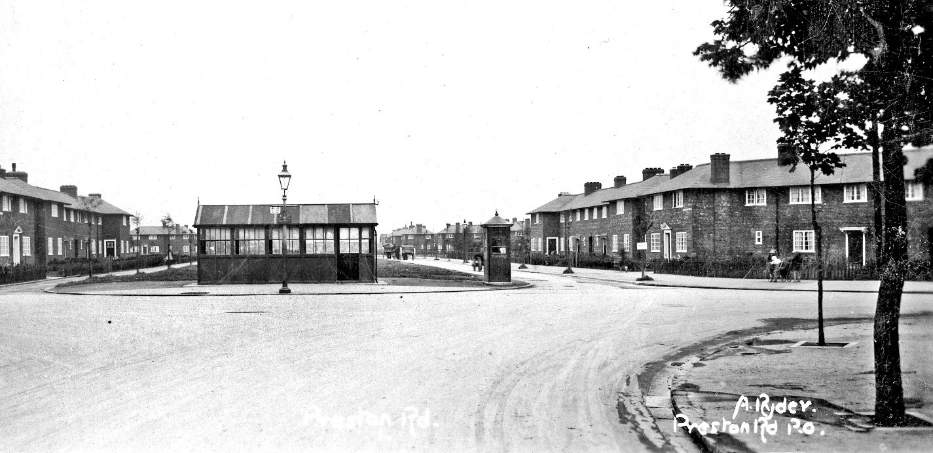
The East Hull Housing Scheme, often referred to as Preston Road Estate, was built in a piecemeal fashion between the 1920s and 1940s; the first 200 houses being constructed between December 1921 and January 1922.
Housing was begun off the south side of Preston Road, with the streets around St John’s Grove, east of Southcoates Lane.
The proposed Preston Road Estate
The main road through the centre of the estate was Preston Road itself, linking Southcoates Lane to Marfleet Lane, where more council housing was built in the 1950s as the Greatfield Estate.
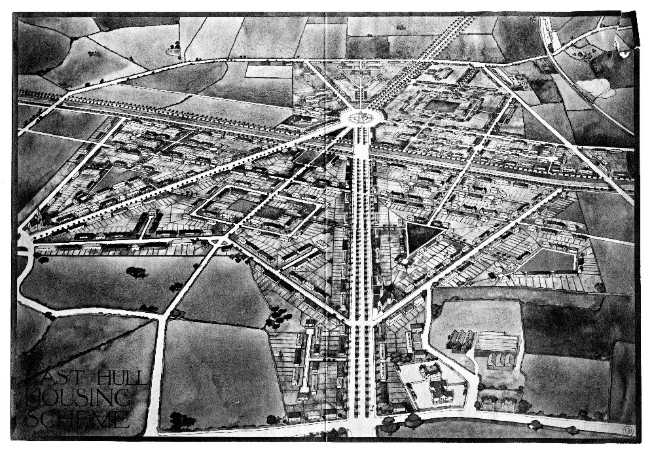
A drawing and plan of the proposed estate, drawn up by the architect Joseph Hirst (Hull’s first city architect) shows a much grander scheme than was actually achieved.
It featured a huge column within a large focal roundabout at the east end, beyond the junction with Marfleet Lane.
Much of the rest of the plan was achieved – and much more – including schools, playing fields, churches, pubs, clubs, allotments, a 59-acre cemetery, a rugby ground, and acres of housing.
A new community
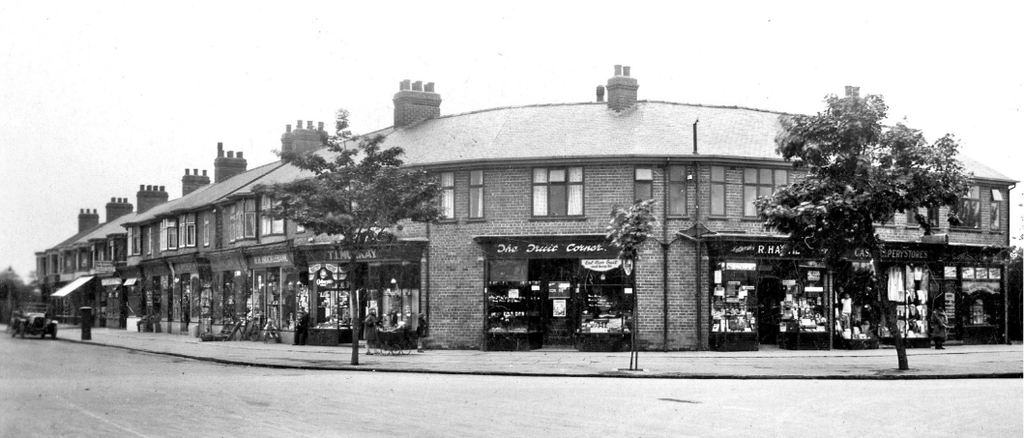
The population was in a large part, made up of those families displaced by the slum clearance programmes underway in the city centre and old town that had begun at the turn of the century, but was widespread during the 1920s and 1930s.
Preston Road was just one of several new estates built by the corporation on the outskirts of Hull in the late 20th Century.
Regeneration and renewal
Having suffered from a poor reputation, latterly known as the Ghost Estate, from the year 2000 the whole area has been the subject of the largest regeneration scheme the city has ever seen.
As well as much-needed new housing, the estate has a new school (Archbishop Sentamu Academy), and a community centre (Freedom Centre), and more rebuilding is in progress.
The Anchor Hotel
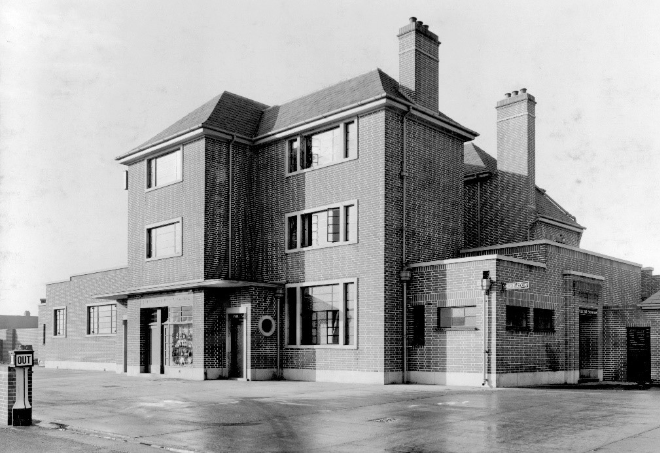
Serving the community since construction in 1936, the estate’s oldest pub was the Anchor Hotel, colloquially known as Blue Heaven, on Southcoates Lane.
Purpose-built by owners, the Hull Brewery Company, it was a huge pub with several rooms and a small stage.
Sadly, it was demolished in 2009 having been damaged by fire, and the site is now occupied by the 84-bedroom Alexandra Court Care Centre.
The Highland Laddie
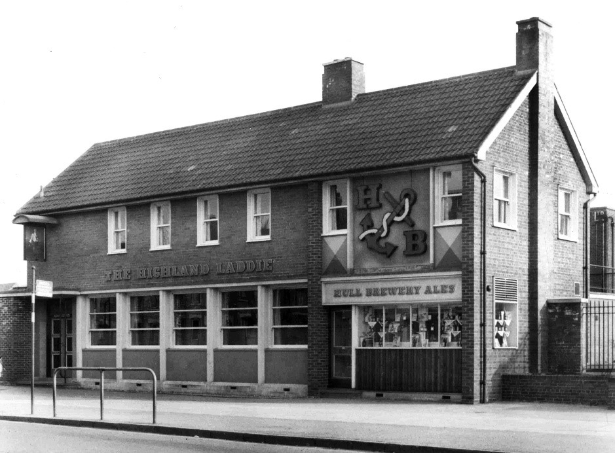
A pub that continues to serve the local residents is the Highland Laddie on Southcoates Lane, which opened in 1961, replacing the original Highland Laddie in Hull’s old town that had traded since the early 1800s.
It is seen here in a photo from 1961, in full Hull Brewery Company livery and decoration, also showing the original off-licence department that was situated to the left of the pub.
Hull Kingston Rovers
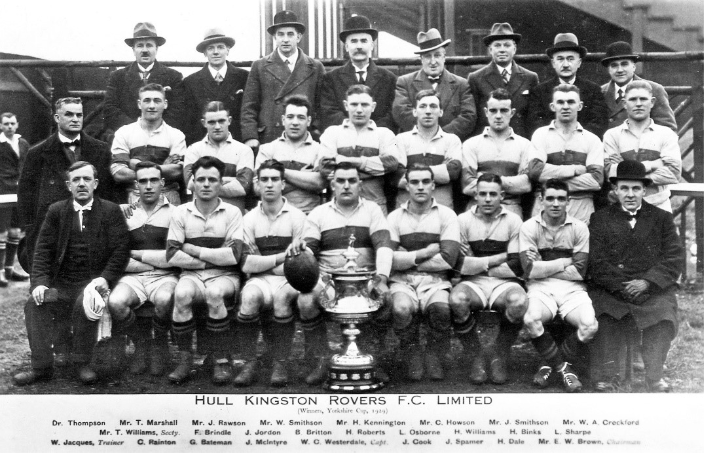
It is hard to mention east Hull without mentioning one of Hull’s two mighty rugby clubs. Hull Kingston Rovers, formed in 1882, currently play from the ‘new’ Craven Park Stadium off the south side of Preston Road.
Initially the Rovers played from a ground in Craven Street c.1895, moving to a bigger ground off Holderness Road (behind the old tram and bus sheds) in 1922.
In 1989 the club moved to the present stadium, which opened in 1989.
Changing landscape
Preston Road through time
From the first council houses of the 1920s to the community, businesses, public houses and sporting traditions of today, Preston Road has remained an important part of East Hull.
Explore Holderness Drain
Project Partners
Hull’s Dynamic Drains is led by the Environment Agency and delivered in partnership with Hull City Council , Groundwork Yorkshire and Yorkshire Wildlife Trust .